Can ChatGPT Build a Web App for Me? What It Does Alone, Where It Stops, and How to Let It Ship
Orkosi Team · · 4 min read
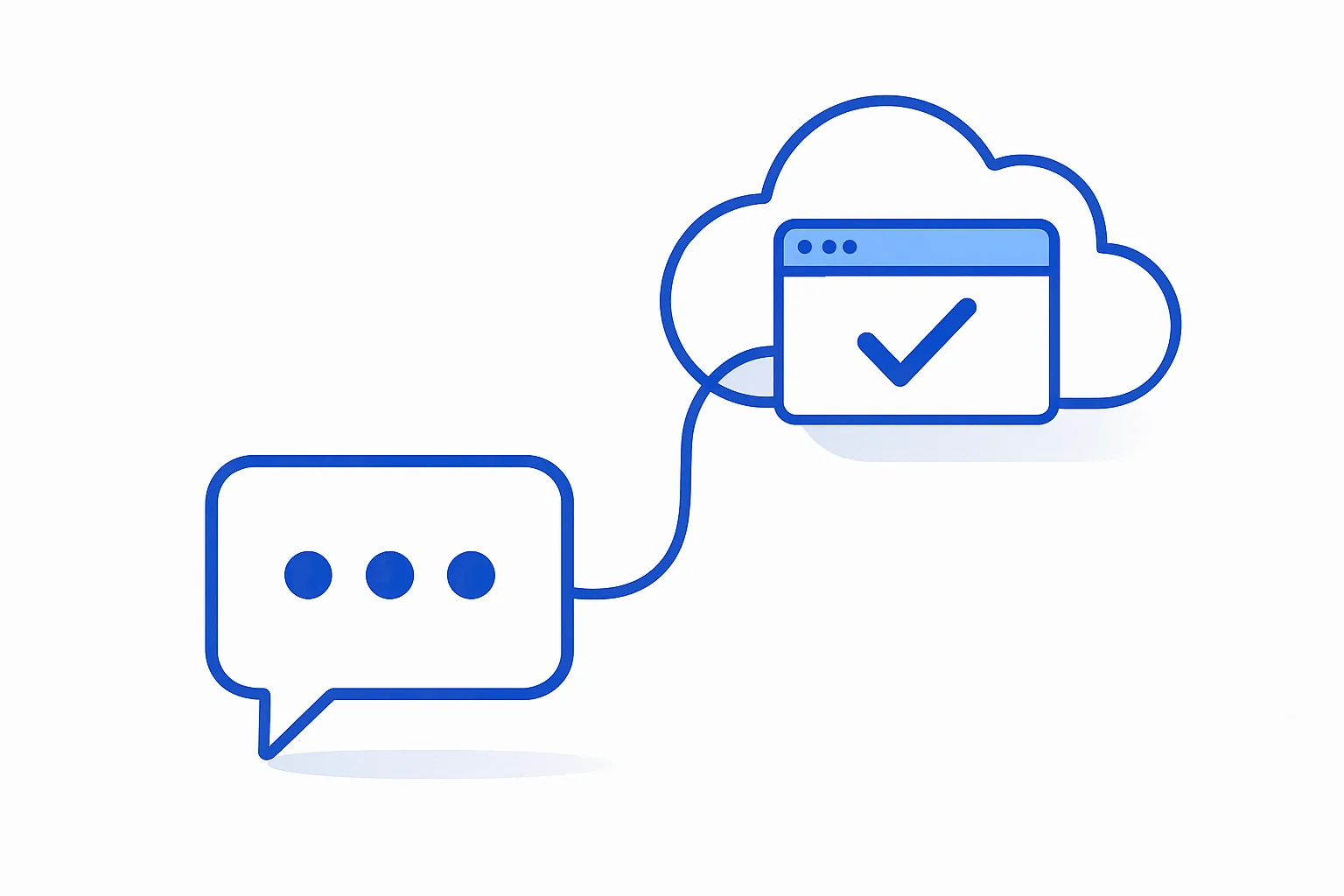
Yes, ChatGPT can build a web app for you, with one important condition: something has to run it. ChatGPT writes code, plans features, names things well and explains every choice. It does not own a server, a database, a domain or a deploy pipeline, and it cannot wake up at night when one of them breaks. This article separates what it does alone from what it needs connected, and shows the shortest path from a chat to a live app.

What ChatGPT does well on its own
- Understands the app you mean. Describe a booking tool for a hair salon and it will ask the right questions: do customers pick a stylist, do you need deposits, what about cancellations.
- Writes the plan. Pages, data model, the order to build things in, what to leave for version two.
- Writes code. Full files, in most languages, with tests if you ask. In a canvas or a code interpreter it will run small programs and fix them.
- Explains and reviews. Paste an error, get a fix. Paste a file, get a review.
For a one-page tool you run on your laptop, that is already a web app. For something other people use, it is the first third of the job.
Where it stops
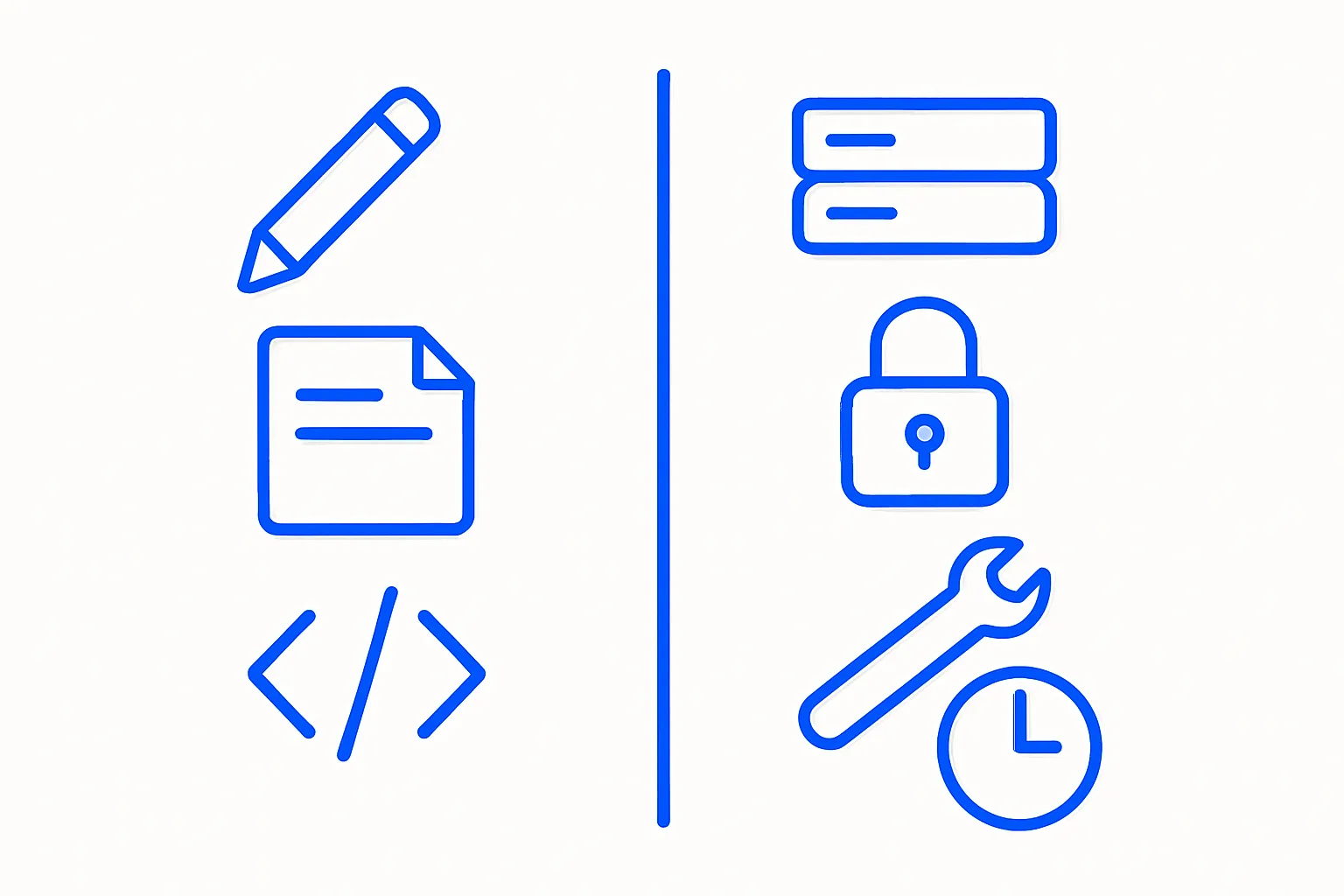
- Hosting. The code has to run on a machine with a public address, a certificate and a database. ChatGPT has none.
- Deploying. Every change needs a build, a test run and a release, and a way back when a release is bad.
- Keeping it alive. Dependencies age, certificates expire, traffic spikes, a bot finds your form. Someone has to watch.
- The account. It cannot sign you up to a hosting service through a form, cannot pay, cannot click an email link.
None of these are reasons not to use ChatGPT. They are the list of things to connect.
The two ways to connect ChatGPT to a platform
A custom GPT with an action
A custom GPT is a ChatGPT persona with instructions and, optionally, actions: API calls it may make. An action is defined by an OpenAPI document, a standard file that lists every call, its inputs and its answers. Give the GPT builder the URL of that document and an authentication method, and the GPT can call the platform for you.
For building apps this means: a platform that publishes its OpenAPI document and offers a signup call that returns an API key can be driven end to end. The GPT signs you up (with your name, your email and your agreement to the terms), keeps the key for the session, creates the product, and turns your sentences into tasks the platform builds, tests and deploys.
Plain HTTP in a conversation
Without a custom GPT, you can paste the OpenAPI URL into a normal chat and ask ChatGPT to use it. It will read the document, compose the calls and, in a browsing-enabled or tool-enabled session, make them. Less polished than an action, no setup at all.
A conversation that ends in a live app
Here is the shape of a session with a platform built for this (we use Orkosi, which publishes its document at a public URL and accepts signup by API):
- "Use the Orkosi public API. Sign me up as Mia's Salon, email mia@example.com, I accept the terms." The GPT calls signup. It gets a key with scopes for products and tasks only, and tells you a verification email is on its way.
- "Create an informational site for the salon with online booking." The GPT creates the product and reports its URL.
- "First task: a booking page where customers choose a stylist, a service and a slot, with email confirmation." The GPT writes a proper task description and creates it. The platform builds it on a branch, runs the tests, deploys a preview.
- "Is it done?" The GPT reads the task and tells you where the preview is and what to check.
- You set a password from the email, sign in to the hub, and see the same product, tasks and deploys. From here you can keep talking to the GPT or use the web; both act on the same account.
What to insist on before you connect anything
- A public OpenAPI document. If you cannot open it in a browser, the GPT cannot either.
- A key shown once, with limited scopes. The signup key should create products and tasks, not change billing or invite people.
- Rate limits and a one-product free plan. These protect you from a runaway agent as much as they protect the platform.
- Credits you can see. Every task that runs costs something; the GPT should be able to read the balance and tell you before it creates ten tasks.
- A hub you can take over. The chat is a front door, not the house.
So, can ChatGPT build a web app for me?
It can design it, write it and, through an action or plain HTTP calls to a platform that accepts signup by API, create, build and ship it without you leaving the conversation. What it cannot do is host and maintain it; that is the platform's job, and the test of a platform is whether it exposes that job as a few well-described calls. The documentation ChatGPT would read for Orkosi is at orkosi.com/docs/public-api.